Iron, Vilas students can earn UWM social work master's with up to 66% tuition aid
Wisconsin Digest
Last updated: November 24, 2026
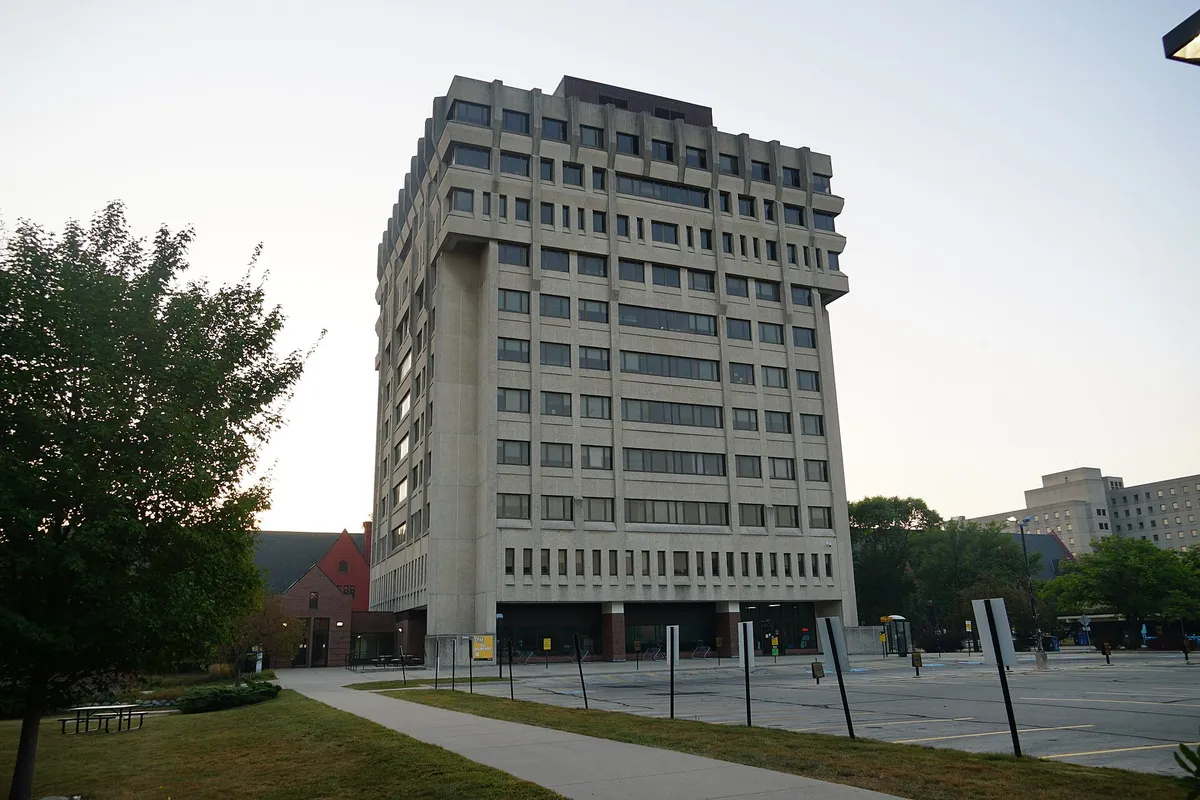
UW-Milwaukee will use a federal grant to recruit students from Iron, Vilas and other rural Wisconsin counties into its online Master of Social Work program, covering up to 66 percent of their tuition.
Behind the effort is UWM's Helen Bader School of Social Welfare. It wants to train new social workers to fill health and social service jobs in the state's rural counties, the university said in its announcement of the grant.
Those areas have long had too little mental health and substance abuse treatment, the school said.
Money for the project comes from the Rural Health Transformation Program: $1,273,975 over five years, with $197,982 in the first. Besides tuition, it pays for program coordinators. About 15 students are expected to go through over the five years.
Dimitri Topitzes, who chairs social work at UWM and co-leads the initiative, said partners in the region told the university that "in a rural area, to have an infusion of even five master’s level professionals supporting the health care infrastructure will make a huge difference."
UWM's partner up north is GIVN, a public nonprofit health network that local officials started to widen access to care across northern Wisconsin and Michigan's Upper Peninsula. Students will train in field placements at GIVN and related sites, with licensed social workers supervising them.
They can choose among four specializations: applied gerontology, medical social work, trauma-informed care and substance abuse counseling. "All of our areas of specialization really meet the needs of the workforce there," Topitzes said.
Many people retire in northern Wisconsin, he said, "creating a large need for services for older adults."
Nobody in the program has to travel to campus, and students can do their coursework at any hour that suits them.
It started in 2022 with 16 students and has more than 200 enrolled for fall 2026. No social work master's program in Wisconsin is bigger than UWM's, and U.S. News and World Report puts it in the top 25 percent nationally.
"It is about strengthening communities, improving access to care and creating a workforce that will serve rural residents for years to come," Topitzes said.
The goal is for every graduate to leave with a job as a pre-licensed social worker already in hand.